

Shah Rukh Khan’s stardom is often discussed as an outcome of charm and timing. A recollection from filmmaker Aanand Mahendroo suggests it was also a plan. Speaking on Screen Spotlight earlier this year, Mahendroo remembered the actor turning down a role from Basu Bhattacharya, his family friend, because Shah Rukh did not want to be an “intellectual” actor.
The line that defined a career
According to Mahendroo, Shah Rukh told Bhattacharya that there were already enough actors doing intellectual films. He wanted, in the actor’s own words, “I want to be a star.” It is a small quote with a large frame: Hindi cinema separates the star from the actor, and Shah Rukh was declaring which side he intended to occupy.
A different version of an old anecdote
The filmmaker also addressed the familiar Karan Johar story about Shah Rukh rejecting a role in Indradhanush (1989). Mahendroo said the refusal was not a dismissive “no serials” moment. Shah Rukh had initially agreed to play Bala, the elder brother of protagonist Appu. The role eventually went to Akshay Anand.
The real reason was a scheduling conflict: Shah Rukh had landed Ketan Mehta’s musical parody Oh Darling! Yeh Hai India. Although that film was meant to be his debut, production delays meant Raj Kanwar’s Deewana released first in 1992.
Stardom did not end the relationship
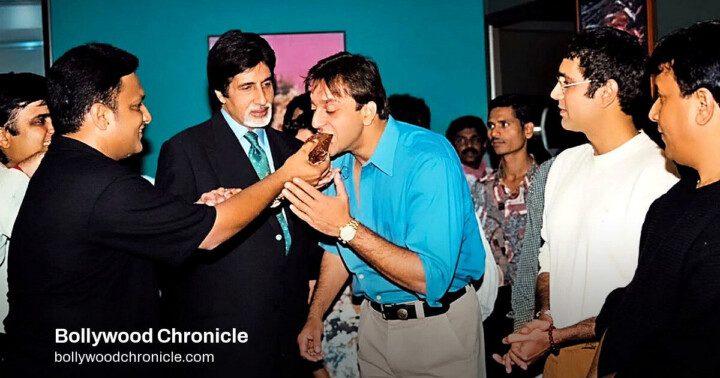
Mahendroo’s account is valuable because it links early clarity with later professionalism. After Darr made Shah Rukh a major name, he still shot a cameo for Mahendroo’s Rajani, directed by Basu Chatterjee. He worked for a full day and, the next day, allowed the unit to film at his Bandra home.
- Late 1980s: Offered the role of Bala in Indradhanush; initially agrees, then bows out for a debut film.
- 1992: Deewana becomes his first release after Oh Darling! Yeh Hai India runs behind schedule.
- Post-Darr: Shoots a Rajani cameo and opens his Bandra home to the unit.
- 1997: On Pardes, he remains on set even for other people’s shots, sharing a smoke with Mahendroo.
What the memory adds
Mahendroo’s Delhi memories make the point sharper. Shah Rukh would meet him at his Delhi office, take him bowling at Qutub Club, and on drives to Paranthe Wali Gali would stand atop a car and sing Govinda’s “Kaali Aankhen Miss India.” To Mahendroo, he was “very uninhibited,” “smart and polished,” and someone who “understands cinema.” The clarity extended to the choices he rejected.
For industry watchers, the lesson is not to replicate a star’s choices but to notice the mechanism: he declined in terms of identity, not just availability. He said what he wanted to become, and he kept the relationship intact for later opportunities.
Source: The Times of India

Comments