

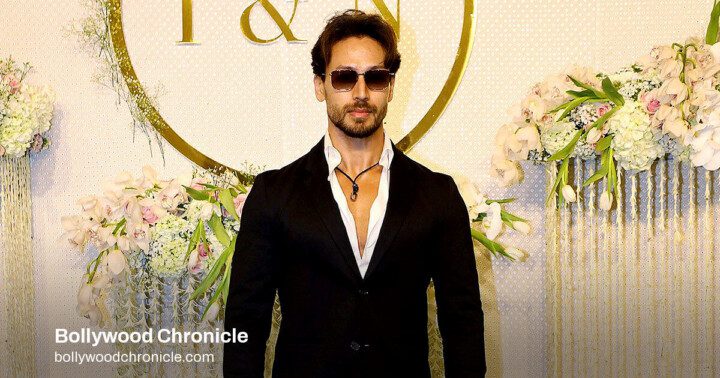
The reported shooting targeting Tiger Shroff on Sunday has pulled Hindi cinema back into a chapter it spent two decades trying to leave behind: the years when organised crime did not merely hover around Bollywood but helped finance it, staff it, and at times direct it by threat.
The entanglement was a financing structure before it was a crime story. Before cinema was granted industry status, banks and financial institutions were legally barred from lending to film production. Producers who needed capital often turned to private financiers operating out of Dubai and Karachi, including figures such as Dawood Ibrahim, Chhota Rajan and Abu Salem. The money came with conditions: casting calls, overseas rights, protection payments and public compliance.
The violence that defined an era
The consequences of refusal were not hidden.
- In 1997, T-Series founder Gulshan Kumar was shot dead, reportedly after refusing extortion demands and declining to sell his label’s music rights to underworld-backed front companies.
- Filmmaker Rajiv Rai survived a 1997 attack by shooters linked to Abu Salem’s gang; police bodyguards assigned after earlier threats were credited with saving him.
- In January 2000, after the success of Kaho Naa… Pyaar Hai, Rakesh Roshan was shot outside his office and survived bullet injuries; investigators linked the attack to demands for a share of overseas profits.
- Boney Kapoor was shot at in his office in the mid-1990s over overseas distribution rights for Judwaa, while Subhash Ghai and Manmohan Shetty faced threats or assassination attempts in the same wave.
Even before these attacks, the 1993 Bombay blasts and Sanjay Dutt’s arrest under TADA for possessing weapons linked to the D-Company syndicate had made the collision of film and crime a national story.
Actors were pulled in too. Stars flew to the Middle East for stage shows and cricket matches hosted or funded by gangsters, and photographs from those events damaged the industry’s public image. Actress Monica Bedi was arrested in Portugal alongside Abu Salem, to whom she was reportedly married.
Corporate money changed the arithmetic
The underworld’s grip loosened only when the business model changed. The entry of corporate studios such as Yash Raj Films, Dharma Productions, Red Chillies and Reliance, along with international companies such as Disney, brought legal contracts, institutional banking and audit trails. The private-financier route that had made extortion part of the production budget became less central, and with it the underworld’s leverage.
That is why the recent pattern is unsettling. Newer syndicates, including the Lawrence Bishnoi gang, have revived older methods: drive-by shootings, public claims of responsibility and intimidation. In 2024, gunfire was reported outside Salman Khan’s Bandra residence. This year, Rohit Shetty’s home in Juhu was targeted in a firing incident, and gunfire was directed at the family home of Disha Patani. Reported threats have also reached Shah Rukh Khan, Aamir Khan and Ranveer Singh.
What the record tells us
The takeaway is not that Bollywood has returned to the 1990s. Corporate capital, police protection and a more formal production system make a full reversal unlikely. But the pattern repeats where the industry is most visible: star residences, film sets and public appearances. The old question remains the same: when extortion succeeds once, it names the next target.
Most top stars now travel with police protection or private bodyguards. That is a security response, not a structural one. The longer-term answer lies in the reforms that broke the old nexus: formal financing, transparent contracts, and swift state action when threats appear.
Source: Rediff.com



Comments