

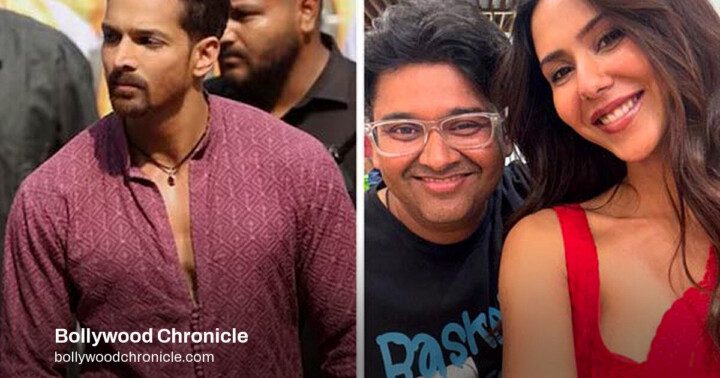
When Ek Deewane Ki Deewaniyat opened on Tuesday, October 21, 2025, its writer-director Milap Zaveri has since called the midweek date “a huge gamble.” One year later, the film’s team gathered at producer Anshul Garg’s office—not as a calendar-planned anniversary event, but as what Zaveri described as an organic reunion that happened to fall three days before the milestone.
For Hindi cinema followers, the anniversary is also a prompt to look past the nostalgia. The film’s real lesson, Zaveri argues, is in how it was budgeted: not cheaply, but at the right cost.
Twelve months ago the mood was less relaxed. Zaveri recalls sitting with a mix of excitement and nerves on the day before release. It was his first film in four years. The title song had taken off, the dialogue was travelling, and Anshul Garg’s marketing had built anticipation. A Tuesday opening added to the uncertainty, but the team’s confidence after the first edit told him the film had struck a chord.
The budget was the story
Zaveri puts the arithmetic bluntly. “The fact that Ek Deewane Ki Deewaniyat was made at the right cost is precisely why it’s a super-hit,” he said. If the cost had been higher, he argued, the same result would have read as a hit, then an average performer, then a flop.
That is a return-on-investment argument rather than a plea for austerity. The production spent where the audience could see it: Chandigarh and Manali for the story, and a real palace in Rajasthan for the song “Bol Kaffara Kya Hoga.”
Spend on what is visible
The film was wrapped in 35 days, with leads Harshvardhan Rane, Sonam Bajwa and Shaad Randhawa shooting four to five dramatic scenes a day. Zaveri credits the cast and crew with making that schedule possible.
On the climax, he said he asked for two days and three cameras; Anshul Garg replied, “You take three days,” and supplied four cameras. It is a small but specific picture of the discipline: protect the scenes that carry the film, and trim everywhere else.
- Shot in 35 days; lead actors completed four to five emotionally demanding scenes each day.
- The producer added a day and a camera to the climax rather than letting scale slip.
- “Bol Kaffara Kya Hoga” was filmed at a real palace in Rajasthan.
- Zaveri’s rule for equipment such as a Jimmy Jib: hire it only for the days it is actually needed.
Lean budgets can still look grand
Zaveri widens the argument by pointing to recent examples. Hanuman Ansh, he notes, connected with audiences on a reported budget of under Rs. 3 crore, while the Hollywood title Obsession was reported to be made for under Rs. 10 crore. Neither is offered as a model to copy, but as evidence that a classy-looking film does not require a bloated line item.
“The biggest issue is wastage,” Zaveri said. In an industry where budgets and star fees often decide a film’s fate before release, the first anniversary is a reminder that right-costing can change whether a result is read as a success.
Source: Bollywood Hungama
Comments