

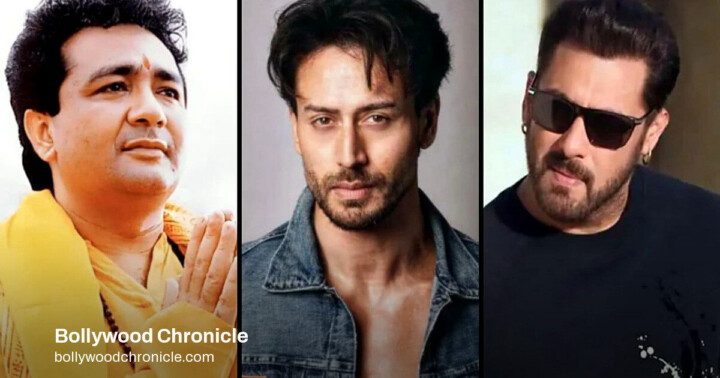
Mumbai has seen this scene before: a targeted shooting, a famous name, and a message that travels much farther than the street where the trigger was pulled. The attack on a vehicle carrying actor Tiger Shroff in Juhu on 18 October 2026 is the latest sign that Hindi cinema is again being asked a dangerous question—whether it will work under fear.
A pattern, not a string of coincidences
The shooting follows a documented sequence. It is not the first time a high-profile Mumbai address has been turned into a warning.
- 2018: Lawrence Bishnoi publicly threatens Salman Khan over the blackbuck poaching case.
- 14 April 2024: Two motorcycle-borne gunmen fire five rounds outside Khan’s Galaxy Apartments residence in Bandra.
- 12 October 2024: Baba Siddique is shot dead outside his son’s office in Bandra East. A Mumbai Crime Branch chargesheet later names Anmol Bishnoi as a key alleged conspirator and links the killing partly to Siddique’s association with Khan.
- July–October 2025: Kapil Sharma’s Kap’s Cafe in Surrey, Canada, is targeted in three separate shootings, with reports of nearly 10 rounds in the first and more than 25 in the second.
- 1 February 2026: Five rounds are fired outside Rohit Shetty’s Juhu residence; a social media account claiming links to the Bishnoi gang takes responsibility.
- 18 October 2026: Gunmen fire at a vehicle carrying Tiger Shroff in Juhu.
Not every claim of involvement has been proved. But the pattern is too consistent to treat as ordinary celebrity gossip. Online messages are cheap; the question is who has the means, money and local logistics to convert them into gunfire.
Anmol Bishnoi, arrested by the National Investigation Agency on 19 November 2025 after deportation from the United States, is alleged to have helped run logistics from abroad. Lawrence Bishnoi remains in custody at Sabarmati Central Jail. Their custody has not stopped the threats attributed to associates.
The economics of fear
For the Hindi film industry, this is not only a personal security story. A threat to a star is also a message to producers, financiers, event owners and distributors. Bollywood concentrates celebrity wealth, commercial opportunity and media attention in a small geography, which is precisely why organised crime has historically found it attractive.
There is a difference between seeking publicity and seeking power. A headline is temporary. Power is the ability to decide who works with whom, who pays for protection and who feels safe enough to say no. The same network model described in police chargesheets uses people outside prison, overseas communication and local recruits, so arresting a shooter is necessary but not sufficient.
What the state must prove
Maharashtra Deputy Chief Minister Eknath Shinde told CNN-News18 that the state would “respond to such criminals in kind” and, if required, act on the scale of the 1990s crackdown. That resolve is welcome. The public test, however, is whether the next threatened actor, producer or political figure is protected before an attack, not after it.
Mumbai has faced organised crime before. The lesson of the 1990s is not a return to extrajudicial force. It is sustained intelligence work, disruption of finances, witness protection and lawful prosecution. For Bollywood’s audience and workforce, the real question is whether a criminal syndicate—however notorious its name—gets to decide who works, who pays and who lives in fear.
Source: News18
Comments