

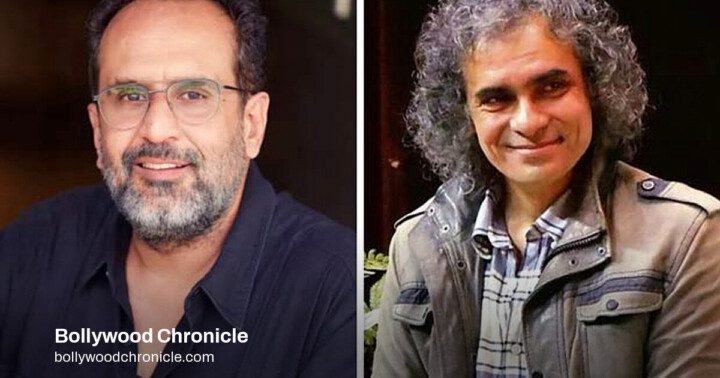
Aanand L Rai has put a simple idea at the centre of his craft: the story comes first, not the filmmaker. In a conversation around his next slate, he recalled the phone call he made to Imtiaz Ali before beginning Raanjhanaa—a check-in that could have changed the film itself, and a philosophy he says still guides his banner.
The call before the clapperboard
While preparing Raanjhanaa, Rai heard Ali discuss Rockstar. The overlap felt too close to ignore. “When I was about to make Raanjhanaa, I heard Imtiaz saying something about Rockstar. And I thought, perhaps these two souls are the same,” Rai said.
He did not wait for the resemblance to become a problem. “So I called up Imtiaz to understand and tell him which world I was going into. If we were in the same world and he was making it, I would prefer to explore his world, and I would make something else,” he said.
Intent, honesty and no ego
Rai frames the decision as a working principle rather than a one-off courtesy. “For me, what matters is intent, honesty and being egoless. Be slave to the story, nobody else,” he said. He added: “I love stories much more than the director within me. I feel that if a story needs to be told, it should be told.”
That position has a practical edge. When two filmmakers sense they are circling the same material, the least expensive moment to find out is before production. The checklist Rai followed is simple:
- Hear the other project first: listen to what the other filmmaker is exploring before assuming it is different.
- Articulate your own world: be specific about the story and emotional territory you want to occupy.
- Yield when the territory is taken: if the story already has a filmmaker, make something else rather than create a duplicate.
The slate that follows the rule
The anecdote arrives as Rai’s Colour Yellow Productions prepares two titles: Nakhrewaalii, a romantic comedy with Ansh Duggal and Pragati Srivastava, scheduled for October 30, and Nayyi Navelli, scheduled for October 16.
For audiences who follow Hindi cinema with an eye on its history, the Raanjhanaa story is more than a greenroom memory. It is a reminder that some of the most consequential creative choices happen quietly—between directors, before the camera is even set—and that a slate built without ego may give the audience a more varied set of stories.
Source: bollywoodHungama.com

Comments