

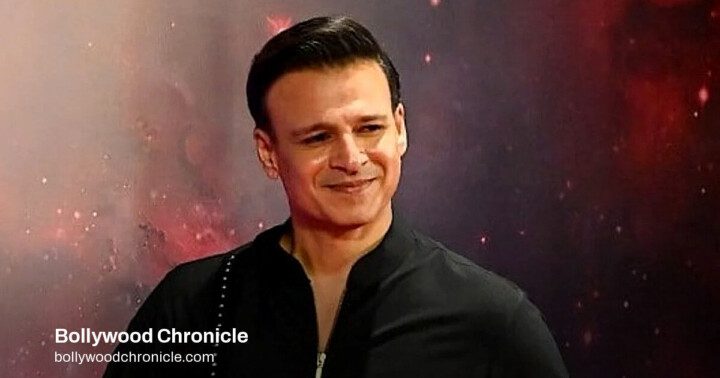
More than two decades after a Mumbai press conference made him the centre of one of Hindi cinema’s most discussed public feuds, Vivek Oberoi has returned to the subject. On the Relearn with Kash podcast, the 50-year-old actor said the fallout from his 2003 allegations against Salman Khan did not end with headlines—and that an influential lobby subsequently worked against him.
The allegation and the aftermath
Oberoi’s account begins on April 1, 2003, when he alleged in Mumbai that Salman Khan had called him 41 times in one night, abused him and threatened to kill him. He linked the calls to his relationship with Aishwarya Rai, who had earlier been in a relationship with Khan, and said Khan had warned him to stay away. Khan denied the allegations at the time.
Speaking now, Oberoi framed his decision to speak as a matter of respect for women. He said he had tried to stand up for what he thought was right and was then “bullied a lot”. The longer cost, he argues, was professional.
A career slowed despite hits
Oberoi claimed that even when films worked and awards came, the offers did not follow as they had before. A “powerful lobby” took over, he said, leaving him “persona non grata”.
According to the actor, the isolation took concrete forms:
- People pulled out of films he had already signed, some saying they could not work with him anymore.
- Filmmakers who initially backed him later reversed course, citing threats to themselves and their families.
- Some told him the underworld had warned them against working with him.
He described long stretches without work and a feeling that the setbacks had little to do with performance. The personal cost, he said, was anger, bitterness and isolation—made worse when people he thought he had stood up for distanced themselves.
Why it still matters
Oberoi’s account is one person’s recollection, offered without independent corroboration in the interview. Even so, it describes an informal power structure that can sit alongside box-office logic: an actor may deliver hits, but if influential figures withdraw support, access can shrink. That complicates the assumption that Hindi film careers rise and fall on hits alone.
The episode has remained part of Hindi cinema’s public memory because it turned a private conflict into a spectacle. Oberoi’s latest comments are a reminder that the private cost after a public controversy can be harder to see—and can last much longer than the headlines.
He is currently visible in a different register. In Nitesh Tiwari’s Ramayana: Rise of a Legend, Oberoi plays Vidyut Jeev, Ravana’s brother-in-law, with Yash as Ravana. The podcast remarks reopen a chapter the industry has often preferred to leave off-screen.
Source: Gulf News



Comments