

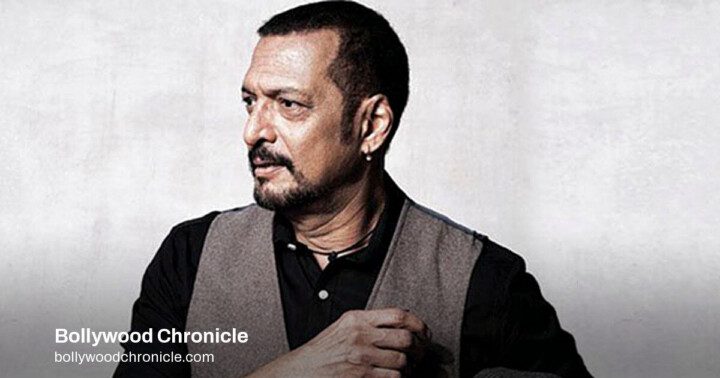
Nana Patekar died in Goa on the morning of October 8 after a heart attack. He was 75. The news was reported by Bollywood Hungama, and within hours the story had turned, as it often does with Hindi cinema figures, to words the actor had left behind.
Those words are more than memorial filler. They describe a childhood shaped by financial collapse and a man who said he did not fear death long before it came.
The fall from middle class at 13
In August 2015, while promoting Welcome Back, Patekar told Bombay Times that his family slid from middle class to lower middle class to lower class when he was 13. Someone close to his father took away the family’s assets, including property. The boy had to work after school.
He walked eight kilometres to Chunabhatti to paint film posters for Rs 35 a month and a meal a day. He was in Class IX. As he put it, the experience “taught me so much that I didn’t need to go to any acting school.”
Hunger, in his telling, had a specific texture. He would appear at a friend’s home around mealtime and say hello, hoping to be offered a roti. He called the smell of a chapati the finest fragrance he knew. The sweets he could not afford then became something he refused later: “Today, sweets are like gold for me; I will not eat.”
Death as a lifelong subject
Eleven years before his own death, Patekar was direct about the subject. “Somewhere I am a little obsessed with death now,” he told the paper. He added that he had never feared death and would confront a wrongdoer even if the person held a gun.
For readers who follow Hindi cinema, that is a part of the record: an actor remembering how poverty sharpened him, not as a publicity anecdote but as a way of explaining how he looked at risk and death. The interview’s value is not that it predicts his passing; it is that it preserves what he wanted known about the life behind the performances.
What the interview preserves
- Economic collapse preceded his working life: from middle class to lower class after a trusted person took the family’s assets.
- Early labour was specific and gruelling: poster-painting in Chunabhatti for Rs 35 a month and one daily meal.
- He framed death as fearlessness: not dread, but readiness to act against wrong.
As the industry pays tribute, the deeper obligation of a chronicle is to keep such details attached to the name. Nana Patekar’s death is the breaking news. The hunger, work and fearlessness he described are the context that should not be edited out.
Source: Bollywood Hungama


Comments