

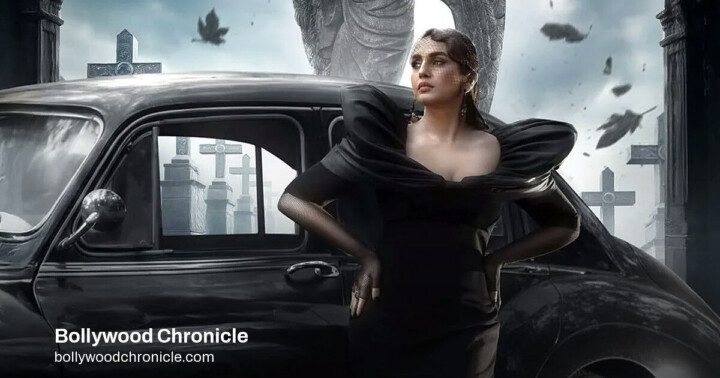
At the IFP 2026 festival, Huma Qureshi put a decade of unease into one line: she wants to play Kabir Singh, not Preeti. The remark names the gap between the sprawling, destructive arcs given to male leads and the reactive, self-sacrificing roles usually written for women. Qureshi argued that actors need the internal liberty to play outrageous, morally grey characters without filtering themselves through a societal moral compass.
She also tied the point to her project Baby Do Die Do, criticising the ‘hyper-sexualised female assassin’ as a patriarchal trope. In her account, dangerous women should look realistic enough to blend into a crowd, not like heavily styled male fantasies.
From Madonna to messy
Hindi cinema has long been governed by what the critic describes as the Madonna-fallen-woman binary. Women were either pure and suffering or ambitious and punished. Kabir Singh’s Preeti is the marker of the first; the hyper-styled action heroine is the second.
Sobhita Dhulipala’s Tara Khanna in Made in Heaven is an instructive counterpoint: empathetic and calculating at once, ambitious without asking the audience for permission to be liked. That is the kind of character Qureshi and others are asking to play more often.
Taapsee Pannu says she largely skipped the conventional track from the start. She points to Manmarziya, Badla and Haseen Dilruba as roles that worked with audiences even when other actors declined them over concerns about perception.
- Female leads are questioning the pure-versus-punished binary and claiming flawed arcs.
- Actors such as Taapsee Pannu and Huma Qureshi are moving into production to bypass camps and gatekeepers.
- Directors and writers still control whether these characters get mounted with the scale and faith given to male heroes.
The bottleneck is behind the camera
Rangita Nany, producer of Four More Shots, cautions that the audience is not the problem; writers and directors, most of them men, are. Until they mount female characters with the same conviction as male heroes, the shift will remain uneven. Nandini Reddy adds that audiences are underestimated: complex people accept complex characters when the telling is good. Sonam Nair notes that viewers accepted Vidya Balan, Priyanka Chopra and Tabu in grey roles years ago; the makers need more faith.
Mita Vashisht pushes the argument further. Even outwardly strong roles often retain male permission, or simply have women imitating a stereotyped masculine idea of power. She points to the energy of young women on the streets as evidence that India has never lacked complex female force; Hindi films have just been slow to show it.
Source: The Statesman


Comments