

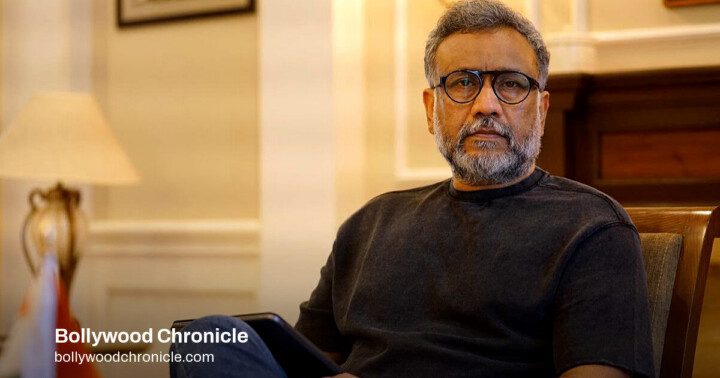
Mumbai: Anubhav Sinha’s filmography reads like two directors sharing one name. The first made Tum Bin (2001), a romantic drama that became a durable favourite on the strength of its songs and its handling of love and loss. The second, after a long run in big-canvas entertainment, began making films that turned social tensions into drama.
The early years: emotion and scale
Sinha entered Hindi cinema with Tum Bin, a film that still circulates among audiences who came of age with its music. He then moved into action and event cinema with Dus and Ra.One, projects built on star power and ambitious production. That phase established his ability to handle scale, but it did not signal where he would go next. His early choices were not separate from the later ones; they built the audience and the production confidence a harder film would need.
A pivot at Mulk
The change became visible with Mulk (2018). The film examined prejudice, identity, patriotism and belonging, and it reset the director’s register. Instead of building a story around a star vehicle, he placed a family inside a charged national argument.
What followed was a run of issue-led films:
- Article 15 (2019): caste-based discrimination and systemic inequality.
- Thappad (2020): domestic violence, and the quiet ways abuse inside a marriage is normalised.
- Bheed (2023): the lockdown’s human cost, particularly for migrant workers.
Why the turn matters
For Hindi cinema, Sinha’s shift is a useful case study in how a commercial filmmaker can carry an audience toward harder questions. His later films kept dramatic form and known actors, but the engine changed: conflict came from social structures rather than villains. That is what distinguishes the second half of his career—not just the topics, but his willingness to leave the safer template.
The arc also gives programmers and viewers a way to read a filmography. A director who can make Ra.One and Article 15 is not simply switching genres; he is treating cinema as a tool that can entertain in one decade and interrogate in the next. The throughline is an interest in what audiences will feel and discuss.
Reading the filmography
The sequence matters. Mulk is the hinge: before it, Sinha largely worked in established commercial lanes; after it, each film names a social fault line in its premise. Article 15 took on caste, Thappad took on the household, and Bheed took on the pandemic’s unequal burdens. That structure makes the body of work easy to programme and difficult to dismiss.
For the audience that follows Hindi cinema closely, the lesson is less about one director and more about the capacity of mainstream form. The same industry that produces escapist spectacle can also carry stories that ask viewers to examine prejudice, consent and economic division. Sinha’s arc is one clear record of that possibility.
Source: Adgully

Comments