

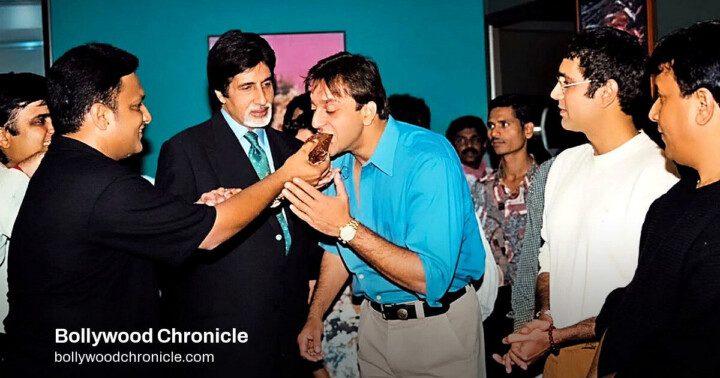
Sanjay Gupta, who died on October 30 at 57, built his reputation on muscular, stylish action films: Kaante, Shootout At Wadala, Kaabil. A Rediff interview published after his death brings his own explanations for that filmography back into focus, along with the contradictions that defined him.
An action grammar learned young
Gupta traced his preferences to his moviegoing years. He said he grew up on male-led actioners, from Hindi titles such as Mera Gaon Mera Desh, Sholay and Ghulami to Hollywood’s Terminator, Black Rain and Die Hard. Women-centred films like Main Tulsi Tere Aangan Ki and Umrao Jaan were, for him, not repeat-viewing material. Amitabh Bachchan was the pole star: Gupta said he saw Lawaaris about 40 times in a theatre and ranked Bachchan from ‘Number 1 to Number 10’.
When he became a director, he said, the market appeared to confirm his taste. He argued that even a Kaante fronted by major female stars such as Aishwarya Rai, Rani Mukerji and Kareena Kapoor would have been difficult to sell. His conclusion was blunt: in a male-dominated industry, ‘there is no question of having a female superstar.’
The Jazbaa paradox
That position did not remain fixed. Years later, Gupta directed Jazbaa, with Aishwarya Rai Bachchan leading the film in her post-motherhood return. The Rediff piece frames this as characteristic of a filmmaker who kept evolving, even when he was direct about his gaze.
Gupta was equally plain about the look of his films. He wanted glamour, he said, and ‘my money’s worth,’ but distinguished erotica from vulgarity. The dance numbers he staged — O Saki Saki from Musafir and Maahi Ve from Kaante — are still remembered as visual high points. His claim that a director cannot make a heroine desirable without desiring her first — ‘you have to desire her first’ — will continue to invite argument.
He also described a personal change. At 16, he said, a pretty face and figure were enough; later he looked for intelligence, compassion and sensitivity, adding that ‘bubblegum beauties’ did not fascinate him.
Why it matters now
- He entered films at 15, assisted Pankaj Parashar on Karamchand and Jalwa, and debuted with Aatish in 1994 in his mid-20s.
- Kaante in 2002 changed his career trajectory and solidified his action credentials.
- Jazbaa, built around a woman, complicates any easy reading of his earlier market argument.
For readers who follow Hindi cinema’s history, Gupta’s words are a valuable primary document. They show how a commercial director can separate personal respect for women from casting choices, and how the market shapes which stories get told. The conversation about female-led commercial films has not closed; if anything, Gupta’s own late-career turn makes the debate sharper.
Source: Rediff.com
Comments