

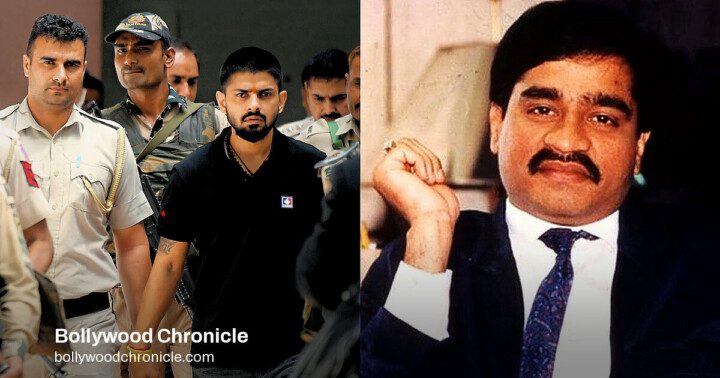
The shooting outside Tiger Shroff’s car in Mumbai’s Juhu neighbourhood has pulled a familiar, uncomfortable question back into the open: how close does organised crime sit to Hindi cinema? On October 18, 2026, gunmen opened fire as Shroff was leaving a football ground. The actor escaped without serious injury; his driver and a bystander were wounded. A social media post claiming responsibility in the name of people associated with the Lawrence Bishnoi gang began circulating, and police opened an investigation into the suspected network. By October 21, arrests had been reported across Rajasthan, Delhi and Haryana.
For Bollywood Chronicle readers, the episode is not just a crime headline. It sits at the end of a decades-long record in which threats, extortion demands and financing allegations have shadowed the world’s largest film industry. The challenge is to hold that history accurately: a reported threat, an allegation, and a finding established in court are not the same thing.
An older underworld, remembered carefully
Mumbai’s criminal networks grew through smuggling, illicit liquor and protection rackets, with figures such as Haji Mastan, Karim Lala and Varadarajan Mudaliar operating across the city’s commercial economy. Dawood Ibrahim’s rise and the 1993 serial bombings brought the underworld into national focus and drew scrutiny to alleged links with film financing, distribution and casting pressure.
Two cases became markers of that period: the murder of music magnate Gulshan Kumar in August 1997 and the shooting of filmmaker Rakesh Roshan in January 2000. Filmmaker Ram Gopal Varma later recalled how violence aimed at prominent figures could spread fear through the industry. His account is a memory, not a court record, and the distinction matters.
The Bishnoi chapter is not a rerun
The current investigation involves a different kind of network. Lawrence Bishnoi, in prison since 2015, has been linked by investigators to operations across several states. The gang’s openly stated hostility towards Salman Khan centres on the 1998 blackbuck hunting case in Rajasthan; blackbucks hold cultural and religious significance for the Bishnoi community.
- In 2024, gunmen fired outside Khan’s Bandra residence; Mumbai Police filed a chargesheet against six people and named Bishnoi as a wanted accused.
- A July 2026 report examined a US indictment describing an alleged plan to murder Khan to promote a criminal enterprise and instil fear; an indictment is not a conviction.
- On October 21, police sources told publications they suspected Khan had been the initial Juhu target before the attackers turned to Shroff. That remains an investigative line, not a finding.
Older underworld cases often involved alleged extortion and attempts to influence the business. The current cases, investigators suspect, may be aimed at building a gang’s reputation and reach. The evidence available does not show the Bishnoi network is a continuation of Dawood Ibrahim’s organisation, or that every celebrity attack carries the same motive.
Life and art keep circling each other
The same history has fed Hindi cinema: Ram Gopal Varma’s Satya (1998), Company (2002) and D (2005), followed by Shootout at Lokhandwala (2007) and Once Upon a Time in Mumbaai (2010). These films shape public memory, but their scenes are not evidence about real criminal networks.
What the Tiger Shroff case ultimately establishes will depend on evidence gathered and tested in legal proceedings. For now, it is a fresh chapter in a long, uneasy relationship, and a reminder to read each claim at the level it deserves.
Source: Homegrown



Comments