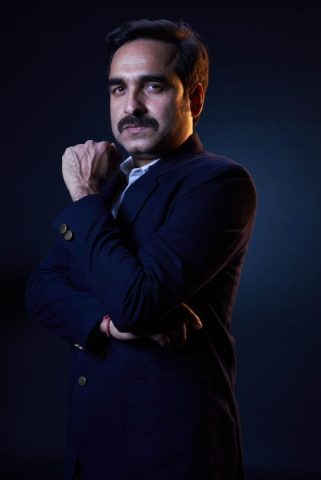
Actor, writer and environmentalist calls for responsible development that safeguards wildlife, fragile ecosystems and the communities that have lived alongside the national park for generations.
Actor, writer and environmentalist Adivi Sesh has written a letter to the Assam government, expressing his concern over the reported approval for resort development on land associated with Kaziranga National Park and urging the authorities to prioritise the protection of the park’s fragile ecosystem, its wildlife and the communities that have lived in the region for generations.
Recognised for its rich biodiversity and its significant population of the endangered greater one-horned rhinoceros, Kaziranga National Park is an important natural heritage site in India. Concerns surrounding development in and around protected landscapes have renewed conversations about the need to strike a balance between tourism, economic development, wildlife conservation and the livelihoods of local communities.
Through his letter, Adivi seeks to draw attention to the potential environmental implications of construction and commercial development in ecologically sensitive areas. His appeal highlights the importance of ensuring that decisions concerning land use and tourism infrastructure do not adversely affect wildlife habitats, natural corridors and the delicate ecological balance that sustains the region.
Speaking about his concerns, Adivi Sesh shared, “Nature does not belong to us; we are only its temporary custodians. When we talk about a place like Kaziranga, we are not simply talking about a national park or a tourist destination. We are talking about a living ecosystem that has existed for generations, a home to extraordinary wildlife, and a natural heritage that belongs to every Indian and, in many ways, to the world. The greater one-horned rhinoceros is not just a symbol of Assam; it represents the incredible biodiversity that we have a responsibility to protect. Once an animal loses its habitat, once a natural corridor is disrupted or an ecosystem is permanently altered, restoring that balance can be incredibly difficult, sometimes impossible.
I understand that tourism can generate employment, create opportunities and contribute to the local economy. But development must be planned with a long-term vision, particularly when it concerns ecologically sensitive regions. We need to ask ourselves whether every piece of land needs to be commercially developed, and whether the immediate benefits of construction justify the possible long-term consequences for wildlife and the environment. Sustainable tourism should be about experiencing nature while preserving it, not about changing the very landscape that makes a place special in the first place.
My concern extends beyond the rhinos and the wildlife that call Kaziranga home. There are local communities who have lived in and around this landscape for generations, whose lives, livelihoods and traditions are deeply connected to the land. Their voices, experiences and concerns must be part of any decision-making process that affects their surroundings. Conservation cannot succeed if the people who have coexisted with nature for generations are left out of the conversation.
Through this letter, I sincerely urge the Assam government to carefully review the implications of the proposed resort development, ensure complete transparency regarding the land involved, and commission appropriate independent environmental assessments wherever necessary. I hope that all relevant ecological, legal and community considerations are examined before any irreversible decisions are made. This is not about opposing development; it is about asking for development that is thoughtful, responsible and sustainable. Kaziranga is a priceless natural treasure, and we owe it to future generations to protect its wildlife, its forests and the people who call this region home. The decisions we make today will determine what we leave behind tomorrow.”
Adivi Sesh’s appeal underscores the importance of informed, transparent and environmentally responsible decision-making when it comes to development around protected natural landscapes. His intervention also brings attention to the broader question of how India can pursue tourism and economic growth while ensuring the long-term conservation of its biodiversity.
As discussions around development and conservation continue, the protection of Kaziranga’s wildlife, particularly its greater one-horned rhinoceros, remains an important part of the larger conversation on environmental responsibility and sustainable development.