

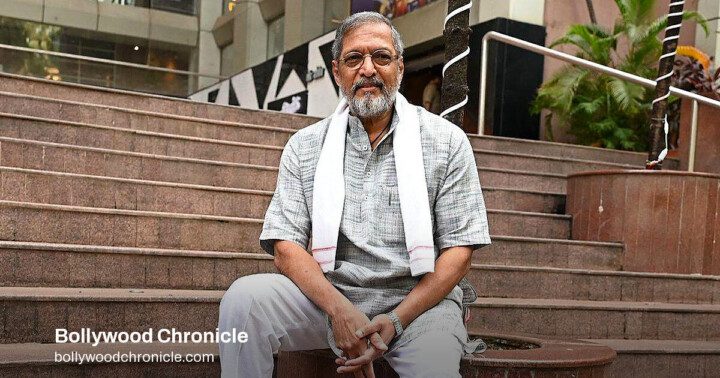
Nana Patekar, one of Hindi and Marathi cinema’s most commanding actors, died at 75 on October 8 after a cardiac arrest at his residence in Goa. The news has brought fresh attention to an unusually self-contained legacy: a performer whose authority on screen was widely understood to come from the poverty he never forgot.
Patekar put that hardship in plain words in an earlier conversation.
“there was a time when we could not even afford two meals a day,” he said.
It was not a passing observation; it was the frame through which audiences read his best work.
From drawing film posters to Parinda
Born Vishwanath Patekar on January 1, 1951, in Murud-Janjira, Maharashtra, he did not begin life in poverty. His father Gajanan reportedly ran a textile business, and his mother Nirmala was a homemaker. The family’s circumstances changed sharply after they reportedly lost their wealth and savings.
- By 13, Patekar was working after school and walking several kilometres to paint film posters.
- He earned about Rs 35 a month, plus food.
- His film debut came in Gaman in 1978.
- The breakthrough was Vidhu Vinod Chopra’s Parinda, which brought him the National Film Award for Best Supporting Actor.
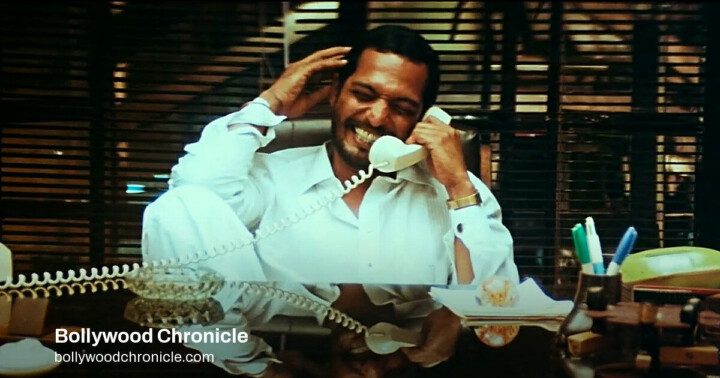
The later career stretched across very different registers: Prahaar, Angaar, Krantiveer, Tirangaa, Khamoshi: The Musical, Ab Tak Chhappan and the Marathi Natsamrat. That range — from the volatile to the comic — became part of his stature.
A modest flat and a working farm
For a star of his standing, Patekar’s personal choices attracted persistent interest. In Mumbai, he reportedly kept a modest 1 BHK apartment in Andheri that he had purchased decades earlier for around Rs 1.1 lakh. The roughly 750-square-foot property has since been estimated at around Rs 3 crore, yet the apartment remained part of his biography precisely because he did not replace it with something grander.
He also owned a 27-acre farmhouse in Khadakwasla near Pune, with simple wooden interiors and terracotta flooring. There he cultivated wheat and paddy and shared the proceeds with farmers and labourers. Other properties included a home in Pune, a residence in Goa and a property in his native Murud.
Why this story matters for our readers
Patekar’s arc is a useful lens on what Hindi cinema asks of its leading men. The anger and wounded authority he brought to roles was not an empty exercise in technique; it was connected to a childhood in which, as he put it, the family could not always manage two meals a day. That biographical weight is part of why the performances continue to be watched as documents of a particular period, rather than as star turns alone.
His death came in the early hours of October 8. Patekar was found unconscious at his Goa home, taken to a private hospital, and doctors attempted to revive him for around 45 minutes before declaring him dead. The nearly five-decade career that began with film posters ends with the memory of a voice that could make silence feel dangerous.
Source: Moneycontrol

Comments