

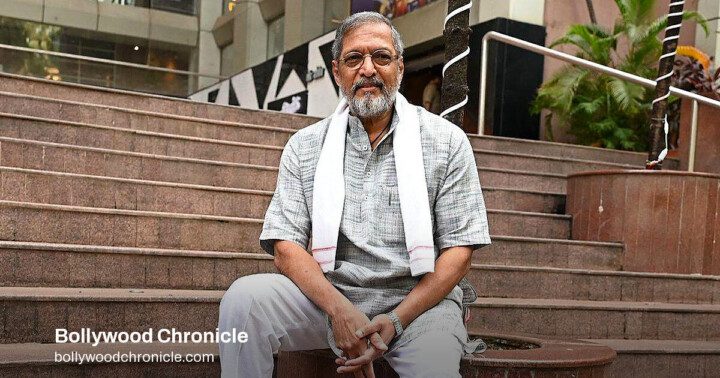
Nana Patekar’s screen presence was often hard, restless, and direct. The musicians who knew him remember a different man: someone who could sit through a three-hour sitar workshop, call a young sitarist from the gym to praise a raag, and turn his Pune home into a baithak for Hindustani vocalists. The recent profile of the actor’s private musical life makes a case that his art did not begin and end on a film set.
A reality-show judge who listened
His appearances on music programmes looked unlike the usual promotional stop. On Indian Idol, after contestant Sneha Shankar sang a film number, Patekar asked if she knew the next antara and stood listening as she continued. On Sa Re Ga Ma, singer Subashree Debnath recalled that he requested the Lata Mangeshkar song “Jaane kya baat hai” and described the exchange as a lasting memory. On another show, he sat at the tabla and invited a singer to perform with him.
From Gangubai Hangal to Vasantotsav
Shashi Vyas, founder of Pancham Nishad, said Patekar was a regular at the Chintamani Jayanti Samaroh and would call when he could not attend. His listening was unusually wide: Begum Akhtar, Bal Gandharva, Pt Bhimsen Joshi, Kishori Amonkar and, in recent years, Carnatic singer T.M. Krishna. The bond began when Patekar first heard Gangubai Hangal and became her admirer, attending her concerts in Mumbai and Pune and becoming a familiar face at the Sawai Gandharva Sangeet Mahotsav.
The Marathi musical Katyar Kaljat Ghusli, starring Pt Vasantrao Deshpande, sparked Patekar’s interest in Natyasangeet. Years later, when Rahul Deshpande revived the play, Patekar became one of its strongest supporters. He went on to serve as a patron and trustee of the Dr Vasantrao Deshpande Pratishthan and helped organise Vasantotsav, Pune’s annual three-day classical music festival.
Baithaks, sitar and poetry
Patekar hosted intimate gatherings at home for musicians including Ustad Rashid Khan. Sitarist Shakir Khan recalled that Patekar loved his father Ustad Shahid Parvez’s playing and rarely missed his concerts. Two months before he passed, Patekar called from the gym and said, “I am listening to your raag Bagesri. Kya bajaya hai!” He ended by advising Shakir Khan to stay true to his legacy and not get carried away by gimmicks. He also once sat through an entire three-hour sitar workshop in Pune, then asked for raag Pilu.
His engagement with words ran parallel. The Marathi album Nanachhand, released in 2024, carried poems he had written.
Why this matters now
Trained in commercial art at Mumbai’s Sir J.J. School of Art, he believed creative minds could help heal a fractured world. At a time when film, theatre and music often work in separate lanes, Patekar’s example is a reminder that the strongest screen artists can be fed by other disciplines. He treated music as an enduring practice, not a soundbite to be switched on for an appearance. For an audience that follows Hindi cinema, it complicates the familiar biography: an actor shaped as much by the Sawai Gandharva festival as by the box office.
- His listening ranged from Hindustani stalwarts to Carnatic singers such as T.M. Krishna.
- He hosted baithaks and meals for musicians, including Ustad Rashid Khan.
- He advised a younger sitarist to protect legacy over gimmicks.
- Just three days before he passed, he was playing Goa’s ghumot at a cultural event in Panaji.
That final image, not cameras or applause, may be the most accurate record of the actor: an artist who kept returning to music, poetry and the company of musicians.
Source: The Hindu
Comments