

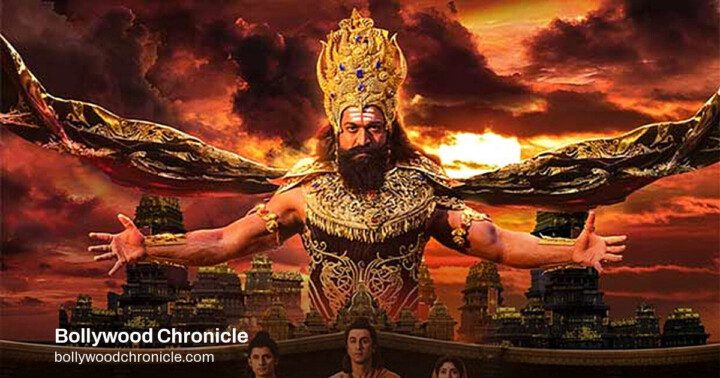
Nitesh Tiwari’s Ramayana: Part One arrives just before the Diwali holiday period with an unusual promise: a theatrical event that could bring grandparents, parents and younger viewers into the same auditorium. Whether it does may depend less on the familiar epic than on arithmetic at the booking window.
Why the family audience is the real prize
Hindi film economics has tilted toward opening weekends, premium formats and young ticket buyers. A family audience behaves differently: it coordinates schedules, weighs comfort and travel, and often contributes over holidays and weekends rather than the first show. The film’s potential is that the same title can mean something to every generation.
- Grandparents may carry an emotional connection to the epic.
- Parents may remember previous screen adaptations.
- Younger viewers may be pulled in by stars, visual effects and scale.
The Diwali timing cuts both ways
Releasing just before Diwali puts the film into a window when families are already planning joint outings; a festive release can become part of a larger family day. But the days before Diwali are also crowded with shopping, travel and household preparation, so opening-day numbers may understate the film’s family potential. The more meaningful reading could arrive during the holiday stretch, when show timings and leisure align.
A ₹3,170 seat has consequences
Premium-format pricing has drawn attention, with some high-end seats reportedly priced above ₹3,000. Four seats at ₹3,170 would cost ₹12,680 before food, parking or transport. Even at ₹500 a ticket, a family of four pays ₹2,000. That gap raises a practical question: can the film maximise affluent, experience-led demand without pricing out the larger family groups that sustain a long run?
The answer will rest on the mix of premium and standard screens, the availability of reasonably priced shows, and how the film performs outside the metros. A true family blockbuster cannot run on premium formats alone.
Footfalls are the number to watch
Revenue and attendance are not the same thing. A film can post large collections on high ticket prices without drawing a record audience. For Ramayana: Part One, footfalls may be the more revealing measure: if the film brings multi-generational groups into multiplexes and single screens, it proves breadth that an opening-day gross cannot show. The same logic applies to repeat viewing, which used to sustain the biggest Hindi hits; repeats now depend on word of mouth and the felt need to revisit a big-screen experience.
Emotional accessibility, not just spectacle
The film has to balance tones: clear enough for children without being thin for adults, emotionally grounded for older viewers without dragging for younger ones. That balance is hard, and it matters commercially. A version that only serves spectacle may lose older audiences; a too-traditional treatment may not sustain premium demand. The wider test is in Tier 2 and Tier 3 markets, where recognition of the epic is broad and where a strong run would prove the appeal is national rather than metropolitan.
After years of fragmented theatrical audiences, the title has a chance to show that the biggest event is not always the loudest opening day—it is the film that gives a whole family a reason to buy tickets together. For this one, the first answer will be written in pricing screens, not on screen.
Source: bollywoodHungama.com

Comments