

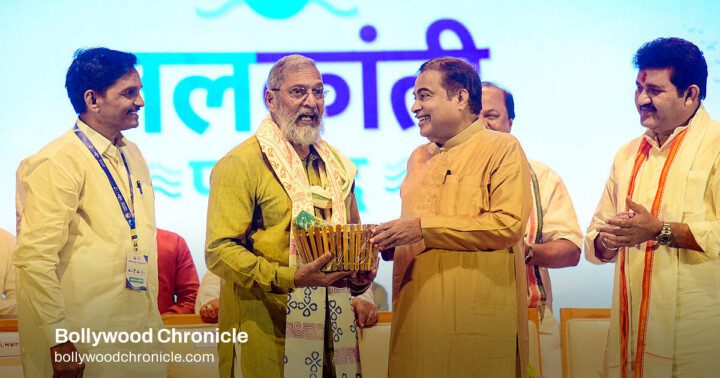
Vishwanath “Nana” Patekar, the actor who gave Hindi cinema some of its most grounded anti-heroes and later poured his savings into rural water security, died on Thursday at age 75. For the Hindi film audience, the loss is not only of an actor but of a particular kind of screen authority: raw, unsentimental and impossible to look away from.
A career that reshaped the anti-hero
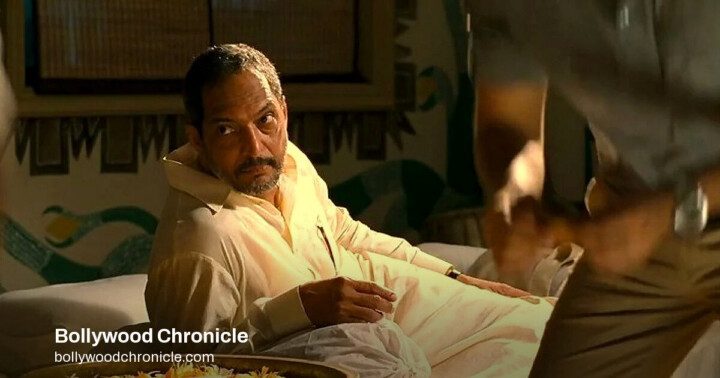
Patekar moved from theatre into Marathi and Hindi cinema and stayed busy for more than four decades. His first National Film Award came for Best Supporting Actor in Parinda (1989), a performance that signalled a shift toward darker characterisation in mainstream Hindi films. He then won Best Actor for Krantiveer (1994), where his monologues became a lasting part of Indian pop culture.
His range was uncommon:
- Parinda and Krantiveer established him as a master of moral intensity.
- Astitva, Khamoshi: The Musical and Ab Tak Chhappan showed his comfort across drama, music and procedural storytelling.
- Welcome (2007) proved he could carry broad comedy, while the Marathi film Natsamrat (2016) drew on his theatrical roots and was widely called one of the finest performances in modern Indian cinema.
The second act: water before charity
The more consequential work, Patekar often said, was outside the film industry. Moved by recurring droughts and farmer suicides in Marathwada and Vidarbha, he began working in rural Maharashtra. In September 2015, he and Marathi actor Makarand Anaspure co-founded an NGO in response to widespread drought.
Patekar did not stop at cheques. He visited affected families, seeded operations with his own savings, and argued that sustainable relief meant fixing water availability rather than giving temporary handouts. The organisation desilted hundreds of kilometres of rivers, canals, streams and lakes. Work on the Riddhi Siddhi river in Beed and the Pus river recharged aquifers, revived wells and borewells, and helped cut dependence on emergency tankers across hundreds of villages.
The NGO also provided financial relief and livelihood tools such as sewing machines, flour mills and livestock to widows and dependents of farmers who had died by suicide, and adopted villages to build sanitation, community spaces and group farming. The guiding idea was structural: restore the water system first, then build economic independence on top of it.
What remains for Hindi cinema
Patekar’s legacy matters because it links two worlds that rarely meet: the intensity of great screen performance and the unglamorous patience of rural infrastructure. His course from Parinda to recharged rivers is a reminder that a star’s most lasting role can happen outside the frame. The work now lives in aquifers, farm ponds and self-reliant village economies, as well as in the films Indian viewers return to.
Source: The Hawk


Comments