

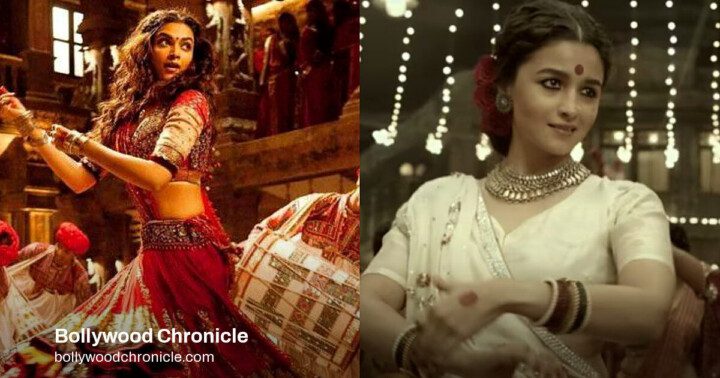
Gujarati folk music has rarely needed Hindi cinema’s approval. What Hindi cinema keeps discovering, though, is that the region’s festive grammar—dhol-led rhythm, call-and-response, circular movement—is a dependable hit machine. A fresh Mirchi look at tracks inspired by Gujarati folk is less a novelty list than a short history of the modern Navratri playlist.
From Hum Dil De Chuke Sanam to Gangubai Kathiawadi, the same ingredients recur. A dhol that behaves like a lead vocalist, not background percussion. A chorus that answers the main line. A beat that organises the body into a circle. When Bollywood respects those elements, the song tends to outlive the film.
The modern canon
Chogada, from Loveyatri, is the clearest example. Sung by Darshan Raval and Asees Kaur, it took the familiar sound and structure of garba and gave it a contemporary Bollywood frame. It became one of the film’s most popular songs, and remains a regular on dandiya nights. Kamariya from Mitron, led by Jackky Bhagnani and Krutika Kamra, is the kind of track that gets a garba floor moving quickly. Made in China‘s Odhani, featuring Rajkummar Rao and Mouni Roy, borrowed its chorus and festive energy from the Gujarati standard Odhani Odhu Odhu Ne Udi Jay.
- Chogada turned garba structure into a contemporary Bollywood number.
- Nagada Sang Dhol used percussion and call-and-response at scale, echoing Lili Lemdi Re.
- Odhani carried a known folk chorus into a mainstream soundtrack.
Loveyatri also had its own Dholida, leaning into the festive side of the same garba template—another sign that the form remains generative across films and years.
Bhansali’s careful folk treatment
Sanjay Leela Bhansali appears twice, and his approach is distinctive. Nagada Sang Dhol in Goliyon Ki Raasleela Ram-Leela builds larger-than-life sound from traditional folk rhythms and call-and-response, with the musical treatment echoing regional garba numbers. Dholida in Gangubai Kathiawadi draws heavily from traditional Gujarati lokgeet and garba rhythms, with the dhol at the centre of the arrangement.
The deeper case is Mor Bani Thanghat Kare. Originally a Gujarati song associated with poet Zaverchand Meghani, it was adapted for Ram-Leela and sung by Osman Mir. Bhansali kept the traditional character while adding a cinematic arrangement. The result introduced a folk composition to a much wider audience without taking away its Gujarati roots.
The older canon and the takeaway
Dholi Taro Dhol Baaje from Hum Dil De Chuke Sanam may not recreate one particular folk song, but its entire sound is rooted in Gujarati garba and dandiya tradition. Ismail Darbar’s composition leans on those rhythms and energy, and with Salman Khan and Aishwarya Rai Bachchan it became one of Bollywood’s biggest festive numbers—still played at Navratri celebrations years after release.
For audiences and curators, the lesson is structural. When folk music is treated as the architecture of a song rather than decorative texture, the result does not just chart; it enters ritual. That is the test these tracks keep passing every Navratri.
Source: Mirchi Plus
Comments