

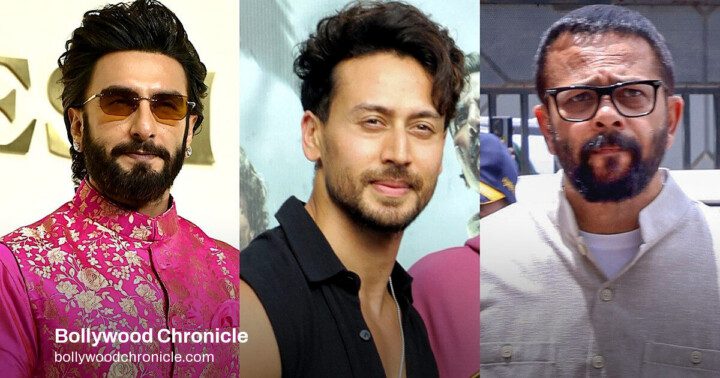
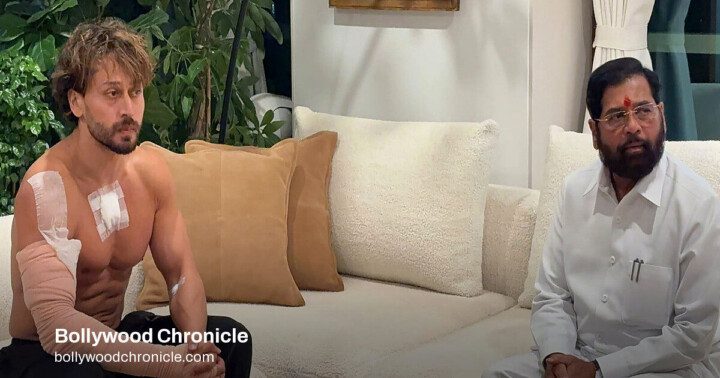
A prominent Bollywood figure has again been targeted in Mumbai. On Sunday, gunmen opened fire at actor Tiger Shroff’s car in Juhu. Shroff escaped unhurt; his driver and another occupant were injured. The Lawrence Bishnoi gang claimed responsibility and issued a warning: Bollywood celebrities should not work with Salman Khan. Mumbai Police are investigating.
A pattern, not a one-off
The shooting comes eight months after gunshots were fired outside director Rohit Shetty’s residence. It also follows an extortion threat to actor Ranveer Singh. But the arc is longer. Salman Khan has been at the centre of Bishnoi-linked hostility since the 1998 blackbuck poaching case. In April 2024, two men on a motorcycle fired outside his Bandra home. His father, Salim Khan, has faced threats too.
The list of figures with reported Bishnoi-linked threats now cuts across film, television and comedy:
- Munawar Faruqui: threatened in October 2024, after which Mumbai Police assigned him security.
- Kapil Sharma: his cafe in Canada was fired at in three separate incidents in 2025.
- Aamir Khan: received threatening social-media and audio messages in July 2026.
- Ranveer Singh: received a voice message demanding Rs 10 crore in February 2026.
- Aayush Sharma: Salman Khan’s brother-in-law, received a crypto ransom email in February 2026.
Before these, in November 2023, shots were fired outside Punjabi actor-singer Gippy Grewal’s home in Canada; a message linked to the Bishnoi gang cited his association with Khan.
Baba Siddiqui marked a turning point
On October 12, 2024, former Maharashtra minister Baba Siddiqui, a close friend of Salman Khan, was shot dead in Mumbai. The Bishnoi gang claimed the murder and tied it to his friendship with Khan. That killing converted years of menacing messages into a fatal threat for people around the superstar, and made security a structural concern for the film business.
The 1990s echo
The patterns are not new. In the 1980s and 1990s, the Mumbai underworld used demands, warnings and shootings to pull the Hindi film industry into its orbit. Gulshan Kumar was murdered in 1997. Producer Mukesh Duggal was shot dead the same year. Filmmaker Rakesh Roshan survived a shooting in 2000. Those attacks became shorthand for an era when success in cinema was never entirely separate from the underworld’s shadow.
Today’s methods are different: social-media threats, crypto ransom notes and a gang that claims attacks through messages. But the grammar remains the same—a public figure is shot at, a message follows, and the rest of the industry reads the warning.
Why this matters beyond Juhu
When performers with private security, managers and influence are being fired at on a Mumbai road, the question is no longer only about Bollywood. It is about whether the city can protect its most visible residents, and whether producers will treat security as a recurring production cost rather than a celebrity’s private problem. The investigation into Sunday’s shooting will be watched closely—not only for what it says about one actor’s safety, but for what it signals about the industry’s relationship with an old and unwelcome form of pressure.
Source: India Today

Comments