

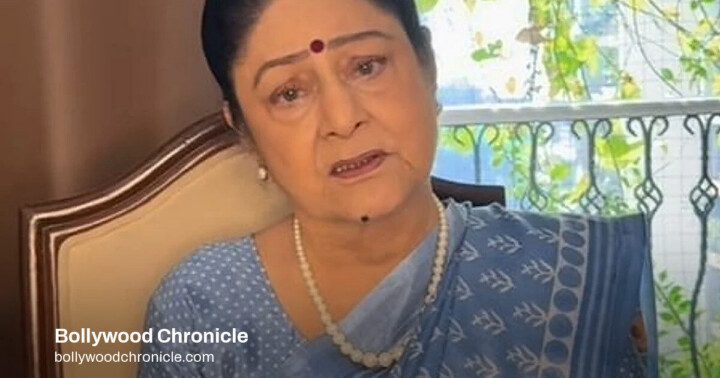
Aruna Irani has returned to work, facing the camera again less than two months after the death of her husband, filmmaker Kuku Kohli. The return marks a quiet but public step in a long career.
On Sunday, Irani posted a video on Instagram—her first public message since Kohli’s death. Speaking directly to viewers, she said the affection that followed his passing had surprised her. “You stood by me in my tough times,” she said, explaining that the support gave her the strength to face the world again and return to work. She closed with a hope that well-wishers would stay with her “till my last breath.”
A sudden loss
Kohli died on 25 August 2026, at the age of 77, after a heart attack. He had been taken to Kokilaben Dhirubhai Ambani Hospital in Mumbai the previous day after feeling unwell. According to Aruna Irani’s brother, Balraj Irani, who spoke to India Today, Kohli had seemed fine and collapsed while talking with family. Doctors declared him dead around 5 pm, and the cremation took place the following afternoon.
The man behind Phool Aur Kaante
For Hindi cinema watchers, Kohli’s most enduring credit remains Phool Aur Kaante, the 1991 film that introduced Ajay Devgn. His other directorial credits include Suhaag, Haqeeqat, Kohram and Anari No. 1. Kohli is survived by Aruna and by his daughters, Pooja and Karishma, from his earlier marriage to Rita Kohli.
A career across generations
Aruna Irani’s screen journey began in childhood, and she grew into one of Hindi cinema’s most recognisable faces in villainous and supporting roles. Her work reaches from classic film to television:
- Film: Caravan, Bobby, Beta, Raja Babu, Dil To Pagal Hai
- Regional work: Marathi and Gujarati cinema
- Television: Des Mein Niklla Hoga Chand, Jhansi Ki Rani
Vicky Kaushal, Katrina Kaif, Sham Kaushal and Rohit Shetty were among the industry figures who paid their respects in August.
Why this return matters
Irani’s message is not only an update about work. It is a small marker in Hindi cinema’s living archive: a veteran performer acknowledges grief in public, then turns back toward the craft that made her a familiar face. It matters, too, because Kohli’s death severed a professional and personal relationship that spanned decades. The choice to resume work so soon is, in effect, its own statement. For audiences who track careers over decades, that measured re-entry—grounded in thanks rather than fanfare—is a reminder of how older artists compose their public lives after loss.
Source: Gulf News


Comments