

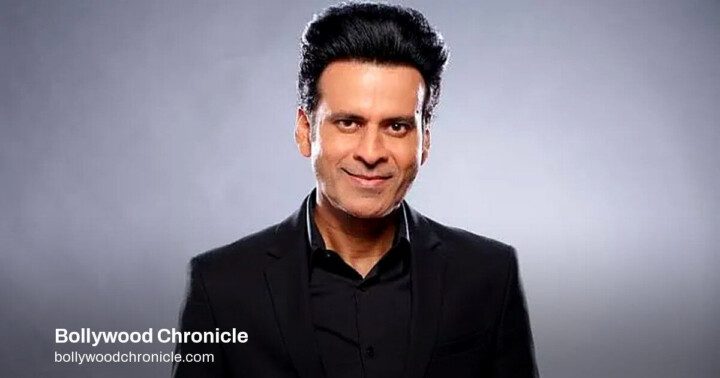
Manoj Bajpayee has described the Hindi film industry as a place where support can dissolve as soon as interests collide. Speaking around his film Last Man In Tower, in which he plays a Mumbai resident resisting the redevelopment of his building, he said the story is less a one-off drama than a mirror of how groups behave when private gain is pitted against collective well-being.
A mirror for the industry
The actor reads the film as a study of relationships that function until a conflict appears. His character stands alone against neighbours and community pressure; Bajpayee said the same brittleness shapes the film industry. He described a world where “camaraderie exists only until a disagreement arises,” with competition and jealousy pulling colleagues apart.
Asked whether Hindi cinema offers solidarity, he agreed that peers often fail to support one another in difficult moments. He traced that pattern to the 1960s, arguing that a gradual fragmentation has since taken hold. The industry, in his account, forms exclusive circles. Outsiders are met with suspicion, and numerous production houses protect their own interests rather than build a shared professional community.
The useful frame here is structural rather than sentimental: fraternity is professional infrastructure, not politeness. Without it, Bajpayee suggests, the industry rewards short-term self-interest and makes it harder for newcomers to find a foothold.
The independent-mainstream divide
Bajpayee also addressed independent cinema’s place and was blunt about the mainstream response. He said independent filmmakers are often treated as less significant, their work met with scoffing rather than recognition.
The damage, in his view, runs both ways. Independent filmmakers can see mainstream cinema as overly commercial, while the mainstream can see independent work as self-indulgent. That mutual misunderstanding turns a difference in commercial model into a status divide and discourages collaboration.
Why this matters now
The observations land at a useful moment because Last Man In Tower dramatises the same question: whether a community can act together when private gain is at stake. Bajpayee’s argument is that an industry short on fraternity forfeits the collaborative capacity that sustains careers, fresh voices and riskier storytelling.
For readers who follow Hindi cinema closely, the stakes are practical:
- A fragmented industry makes it harder for independent films to reach production and visibility.
- The mainstream-indie misunderstanding narrows the pipeline of talent and story forms.
- Cooperation, in Bajpayee’s telling, could produce a more varied and resilient cinematic landscape.
His call is for a shift in mindset: less suspicion, more professional community, and a mainstream that recognises rather than ridicules independent work. Whether the industry is willing to make that shift is the open question he leaves behind.
Source: The CSR Journal



Comments