

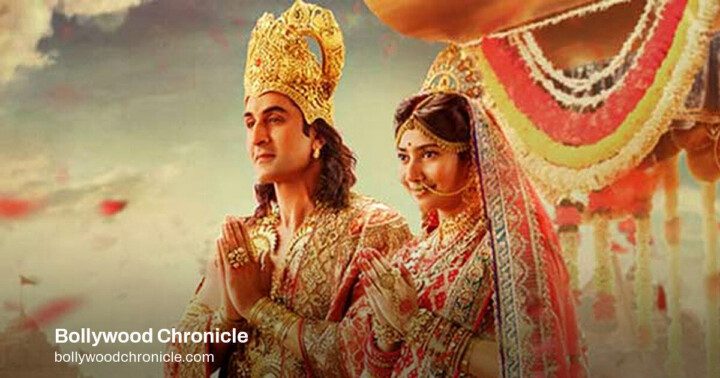
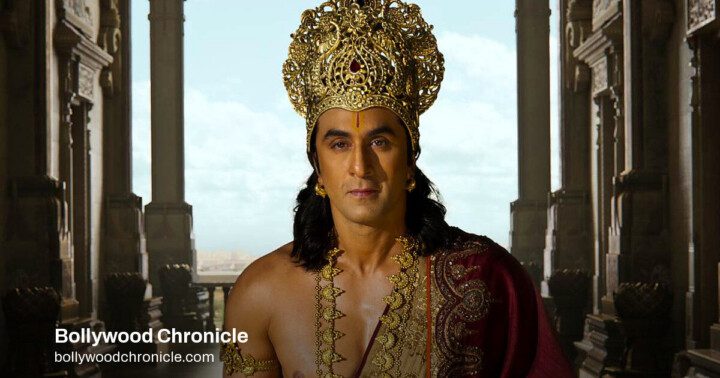
Ramayana: Part One is crossing box-office milestones and, at the same time, walking into a loud cultural argument about how much liberty an adaptation can take with a revered text.
On day nine of its run, the Nitesh Tiwari-directed film, led by Ranbir Kapoor, had a reported net collection of ₹91 lakh, according to trade tracker Sacnilk. Its India gross stands at ₹676.12 crore, against an India net of ₹565.51 crore, putting it within reach of the ₹700-crore gross mark.
Monumental numbers, divided responses
The film has drawn praise from prominent filmmakers such as SS Rajamouli, Karan Johar and Shekhar Kapur. But the same run has produced sharp public criticism from two actors closely associated with televised tellings of Indian epics.
- Mukesh Khanna, known for Shaktimaan and for playing Bhishma Pitamah in BR Chopra’s Mahabharat, objected to Sita being portrayed as a fighter.
- Nitish Bharadwaj, who played Lord Krishna in the same Mahabharat, called the film a “masala movie” and said it risked misleading younger audiences.
- Both arguments return to the same point: scale and expenditure cannot be the central measure of an adaptation’s worth.
The Sita question
Khanna’s criticism is specific. In his vlog, he said many people told him the spectacle was magnificent and that crores had been spent, but he argued Ramayana would not succeed on special effects alone. He took issue with the makers showing Sita fighting like “Rani Lakshmibai of Jhansi” or modern-day heroines. For him, the Sita of the texts is defined by devotion, accompanying Ram into exile for 14 years; he was unhappy that the character had been tweaked into a fighter.
That objection is not about performance or craft. It is about the source. Khanna is asking whether updating a character for contemporary tastes breaks the compact with an audience that knows the original.
“Masala movie” and the original text
Bharadwaj’s complaint follows a similar line, but from the question of authorship. He withdrew his earlier appreciation and said the film was misleading younger viewers. The source quotes him: “My view: Valmiki is its original author. Other versions are creative and geographical adaptations, with deviations from the original.”
His one saving grace in the film was Dasharatha, played by Arun Govil, who was Ram in Ramanand Sagar’s Ramayan. That detail matters: it links the current blockbuster to the television adaptation that shaped a generation’s image of the epic.
Why this matters for Hindi cinema
The split is not simply about one film. Hindi cinema has long treated epics as both mythology and mass entertainment, but the market is now global and the production budgets enormous. When a ₹700-crore gross is in sight, the temptation is to let the box office settle every argument. These criticisms suggest it cannot.
The safer reading for the industry is this: spectacle can buy an opening, but fidelity buys trust. An adaptation that spends heavily and then reworks a beloved character may win the weekend and still lose the cultural argument. Makers of the next epic will have to manage both.
Source: The Economic Times

Comments