

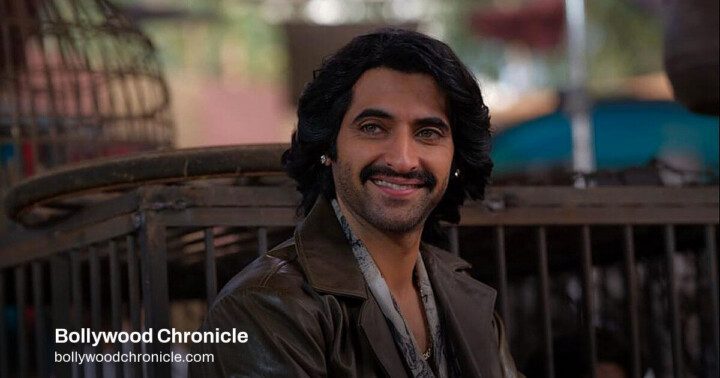
Akshay Oberoi has spent much of his recent career moving away from the conventional Hindi film hero. The roles that keep drawing him in—across Gurgaon, Flesh, Thar and Tony—belong to people whose motives do not fit cleanly into right and wrong.
That instinct is the thread connecting his work. In an interview with Adgully, the actor explained why these parts continue to hold his attention.
The appeal of a character who doesn’t think he is wrong
Oberoi’s starting point is simple: a harmful person rarely experiences himself as a villain. “What fascinates me about morally grey characters is that they rarely see themselves as the villain of their own story,” he said. That private justification is what gives these roles their charge.
For an actor, it creates room to work with contradictions—tenderness alongside violence, conviction alongside self-deception, charm alongside menace. Oberoi says such parts let him explore emotional registers and unexpected traits that a clear-cut protagonist may not always allow. The reward, he adds, is discovering something new in each project rather than repeating a familiar screen persona.
From Gurgaon to Gajab Raat
The pattern is visible across his filmography. Gurgaon placed him inside an unsettling story with a bleak sense of place. Flesh and Thar pushed further into gritty, morally compromised territory, and Tony continued the interest in personalities that resist easy labels.
His next release, Gajab Raat, returns to that same terrain. Once again, the draw is a layered and unpredictable personality—one built around motives rather than a fixed moral verdict.
Why this matters for Hindi storytelling
Audiences following Hindi cinema and long-form streaming have grown used to characters who live between hero and villain. Oberoi’s choices point to a workable method for making that greyness feel specific rather than cosmetic:
- Start from why a character believes he is justified, not from whether he is good or bad.
- Let contradictions remain unresolved; they make behaviour harder to predict.
- Treat moral greyness as a route to fresh performance choices, not as a costume.
Oberoi’s return to such roles suggests he has found a durable creative muscle in them. Gajab Raat is the next place that muscle will be tested.
Source: Adgully


Comments